When you’ve been running your business day in, day out for years on end, it’s easy to let things slide and become a little uninspired. Think back to when you first thought of your business idea: all you were thinking about was how to get things going. You also thought about the money, the lifestyle, and all of the other perks that come hand in hand with owning your own business.
But, when it actually comes to it and you’ve built this business model, you realise how much there actually is to think about, and your whole life becomes centred on making sure that what you’ve already built stays where it is. The problem with that is that while your business might still be making money, it’s simply not going anywhere. And, you might be feeling too afraid to take that next step to make things exciting again; not just for you, but for your customers as well.
If you really want a business that stands out from the crowd and excites people, you have to be brave enough to take those steps!
Not sure where to start? Here are a few thoughts on how you can breathe a new life into your business.

Rebranding is a big step, and it’s something that many small businesses steer away from because it can become confusing to your customers. If you’re already struggling to keep up with the brand you have in place at the moment, you might be wondering how rebranding might benefit your business.
When I approached Tracy at Digivisual Design to work on my gorgeous new website rebrand, I knew it was time for an upgrade. The old red an blue with animal prints was fun, but it didn't reflect the more sophisticated (dare I say elegant?) appearance and approach I was taking in my business. It didn't accurately attract the kind of clients I wanted to attract, either, which was a BIG clue. We'd already done some preliminary work around my mood board for what I wanted the new website to be like, and that laid the foundation for a solid rebrand.
So, if you know that your branding isn’t working for you - or you don't even HAVE a brand, but you're swimming in a sea of Canva templates and changing out colors - then this is something to consider. Think about it this way: if you re-emerge as a business that’s bright and beautiful with new ideas and products to bring to the table, then you’re bound to attract more attention. If you’re bland, rebranding is a good choice to consider.
Rebranding isn’t always easy, especially if you don’t have the mind for design and creation. If hiring a pro isn't in your budget yet, talk to Tracy. She has a DIY course that can help you create something inspiring pretty quickly.
If your branding is strong, it could be your client experience - either with your offers, or with your company. Sit back and think, what kind of experience would you like to have if you were looking for the same things your customers are. There’s a good chance that doing this alone will give you plenty of ideas on how you can switch things up to be more enticing for your customers.
For example, if you run a local pharmacy that simply doesn’t seem to be getting the customers that you used to, then what is it that you’re missing out on? You could consider adding in a consultation room for patients that need privacy, or you might implement patient adherence solutions so they can keep on top of their medication. There are ideas galore out there to improve your customer experience. Maybe it's time to explore some new options!
You might also benefit from looking at what your competitors are doing - but with a caveat.
This isn't about making yourself feel bad about what you're NOT doing or how they are somehow so much better or farther along than you are. Instead, use this as an opportunity to see what you can do that they can't or a way to do something even better. You might even spot a gap in the market and bring something new to the table that nobody else is doing in your industry. When I launched the Incubator years ago, there was no one else in the coaching world offering it. Now you see "incubators" popping up all over the place for creative entrepreneurs (still none with our pay-for-results model!). When you can offer something new and exciting, customers that need that difference will choose you.
Also, if the fear of rejection has stopped you from releasing a product or idea into your business, then now is the time to take that leap. It might just be the one thing separating you from your competitors and it could take you from zero to hero in your industry.
When the going gets tough, sometimes the best thing to do is get out of the space you’re in and start fresh. In fact, there’s a good chance that if you’ve ever struggled with a situation in your life, all you could think about was escaping from the space you’re in and never looking back. And, the same goes for your business.
Like with your personal life, the thing that’s holding you back might simply be your location; the benefits you’ll get will be the same! If relocating your business is something you want to consider, you need to start thinking about being in business central, where your brand is more likely to get the business it needs. You need to think about larger cities and the benefits that will come hand in hand with this.
Of course, moving to the city might mean uprooting your life, but if there’s nothing holding you back in your personal life, then what’s stopping you? It might take a lot of guts to do this, but if you do, the benefits will be worth it, especially if you’re currently situated in a small town that doesn’t get much tourism at the moment.
All you’d need to do is find a place that suits your business, in an area that would likely suit your industry too. Using the pharmacy example again, you could find a space where there are lots of other medical establishments nearby so that you become the new “go-to” pharmacy. Of course, this might not apply to your business, but the premise is still the same.
You’ll also need to consider the needs of your staff too; you don’t want to end up moving somewhere that nobody can get to. Some staff might be willing to relocate with you, whereas others may prefer to commute or work more of a hybrid role if possible.
Relocation doesn't just mean physical... although it can. I've moved 5 times in the past few years and, while it's been a lot, it's also put me in the place where I am today. Relocation can also mean your online assets. We consolidated our community and learning areas into one place. We've migrated to a new mailing list service provider. Those moves weren't easy, took some work, AND were totally worth the effort.
One of the best things you can do for your business is making sure that you’re communicating with your customers in the right way. But ask yourself; are you already doing that? If the answer is no, you’re not alone. In fact, it’s often an area where businesses fall short, which is why so many companies around the world have a really bad reputation when it comes to customer service.
You already know how important great customer service is and that it should always be in practice with you and your staff, but actually doing it is easier said than done, especially if you have rude or difficult customers. However, making sure that you’re polite, helpful, and take prompt action on customer complaints will help you stay on top of things.
Sometimes though, it’s not just about customer service, it’s actually about what you can do on a deeper level to make sure that you’re targeting the right people for your business. For example, you could take the time to use a testing platform to encourage the right customers to come forward to your business and introduce you to the right kinds of people you should be aiming your marketing efforts at.
In fact, user testing is something that many large businesses use, and taking the results of it could have a seriously positive effect on your company, so it’s definitely something to take into consideration.
Finally, if there’s one thing you want when it comes to gaining and keeping customers, it’s to be a loved brand. And to do that, you’ve got to be loyal. This means you have to be consistent in everything that you do all while being the best at what you do. There’s not a single customer out there that will say that they don’t like consistency when it comes to businesses they’re dealing with, and they love it when a company goes the extra mile to help them.
If you can master that side of things, you’ll have a brand that’s lovable, a brand that people immediately think of when they need your products and services, and you’ll have a brand that’s as successful as you’ve always dreamed of.
Remember, the sky's the limit, and while big business decisions can be scary, the simple fact is that your business isn’t going to go anywhere if you don’t make those decisions and act on them. Bring your business back to life with these 5 amazing tips!
Whether you are established and looking to grow your business, or you are just starting to think about the future of your company, your market matters.
Regardless of your industry, your market needs to be big enough to support the health and wellbeing of your company. The larger your company, the larger your market needs to be (because you'll need more money to pay those bills!). Sometimes that means you'll need to broaden your audience and serve a different "slice of a slice" in order to get that market coverage. Apple started as a computer company and has diversified over the years into music and media to serve a larger market. You may not be the next Apple, but it might be time to broaden your market reach. If so, read on!

If you are keen to find a broader market for your business, here are a few ways to reach more people:
Widen Your Niche
I know. Business coaches like me tell you to "niche down" and focus on one thing (or one collection of things). That's to help you gain momentum and traction in a market. When you're clear on who you serve, it's easier to create marketing that resonates. But once you're established, or if you truly do have a wider market potential, it makes sense to open things up a bit and serve more people.
Here's a pretty basic example: I taught direct sellers for years. That was my niche. But folks that weren't direct sellers kept showing up to my training and, eventually, I had a throng of non-direct sales business owners that made up an entirely new market for me. Over time, I shifted almost completely away from direct sales-specific training, and had a wider focus on entrepreneurship for creative entrepreneurs. And even now, I'm shifting my focus again to micro business owners who know they want to be the celebrity in their niche. It's a wider audience than just creative entrepreneurs, even though it's a much more focused area of support.
Start to explore the sub-realms within or alongside your niche. Leverage the audience you already have, if possible. If you're a photographer, for example, maybe instead of doing just weddings, you'll also do boudoir. You're widening your offerings to attract a slightly different audience, but an audience that probably overlaps at least a little with the folks you already serve.
Bring In More (Web) Traffic
Whether you've got a brick and mortar location or you're solely online, having more of the right people coming through your "doors" means the potential for increased sales and repeat buyers.
Physical locations make a difference (location, location, location!), but so do the ways you invite people to those locations. What kind of attraction marketing are you doing? Are you partnering with nearby shops to capitalize on traffic already in the area? There are a variety of ways to bring more bodies into your establishment. What are you currently doing and what needs to change? Hiring a marketing agency or a business coach can help (ahem. hint hint, nudge, nudge!).
In the online world, you may want to use a professional SEO agency like Big Surf Digital to help you to bring in more web traffic. You can also do your own bit towards increasing traffic - including creating compelling content that is going to draw people in.
With more web traffic comes a broader audience and greater opportunities for sales, so this is something that you will certainly find useful to focus on.
Partner Up
Sometimes, a very effective way for a business to broaden its market share is to actually partner up with another company. It goes without saying that this other company won’t be a direct competitor, but one that is working in a similar kind of area of work, and in such a way that you should be able to work together towards similar goals. Think: a tax accountant who has a referral relationship with a financial advisor. With the best partnerships, you end up in a situation where you are going to both benefit much more compared to being alone.
Be choosy about your partners and who they are, but it’s the kind of thing that can help grow a business more quickly because you're leveraging the power of the networks of TWO businesses, instead of one!
Sell A New Product
Like the Apple example above, sometimes it’s as simple as just trying to sell a new product and seeing how that fares. Don't spread yourself too thin - that's the issue that often happens when someone tries to sell a bunch of different offers right out of the gate in a new business! Instead, think of another offer you might sell that's a logical "next step" for your existing audience and start putting it out there. You might find that this is enough to start things growing again.
Photo credit: Unsplash
Looking for better ways to manage your business and keep things under control?
Easier said than done! You need to identify the best ways to make your business more manageable - and it's different for every business. But here are five tips to prime the pump.
Sometimes you have to design things yourself. That makes sense if you're a small business and you're floating a first-time idea into the world. No need to plunk down a ton of cash on a design you're going to change later anyway. In fact, my designer, Tracy, has a quick and easy e-course to help you get your logo looking awesome for less if you're still in DIY mode. But for your core brand pieces, designing yourself, is often time-consuming and ineffectual. You want brand materials that will benefit your business. Even having a designer build business templates for you can help improve how you run your business. You'll have a brand-standard way of getting your message out without spending too long developing them yourself.
As your business grows, you'll hire more people to handle the workload. But you won't do well hiring any old warm body off the street. You may need to design a hiring process that ensures you hire the best candidates every time. They should understand what you want for your business and be ready to offer as much as possible to help it achieve and exceed its goals.
There are some issues you may not be able to handle in-house, especially as your customer base grows and you experience more demand. Rather than risk falling behind your competition, leave it to agencies to automate and operate your marketing needs. You can work with an email marketing platform to maximize reach and exposure to maintain customers and obtain new ones. Additionally, working with outsourcing companies for written content and other essentials will enable you to focus on parts of your business that require more attention.
Toxic company cultures can severely impact how productive your team is. Although you hope everyone will be professional enough to put differences aside for projects, this is not always the case. Therefore, encouraging a positive company culture and fixing any issues between your employees is vital. You need to be on the ball with what’s happening within your office and create an environment where people will happily voice their concerns without fear of reproach. The more communicative your office is, the easier it will be to keep everyone on the same page.
Finally, all entrepreneurs must learn to control their budget by setting goals and tracking expenses to ensure they can improve overall management. While you can’t be too stringent with costs, you shouldn’t overspend, as this can put your company in a precarious position. As long as you make the best investments in equipment, people, and marketing, your company will thrive as expected.
You can always find better ways to manage your business and ensure things run smoothly. Focusing on these critical areas will make everything else much easier, which puts your business in a better position to achieve its goals and achieve success.

Whether you're a new business or you've been around a while, achieving some level of established growth is an important ultimate goal for most companies. To get there, however, you need adequate research, proven strategies, and targeted actions to produce results. You must connect deeply with your audience and seek to understand and fulfill their needs - in ways that only you can. Ways that make you the obvious choice for what you offer. Since competition is rampant in every industry, it is important to stand out fiercely and ensure you capture the attention of your market. Here are some effective techniques to achieve success.
Affiliate marketing has been popular for some time, as it is an effective marketing strategy for growing your business. It has introduced a new way of promoting your products and services digitally. To put it simply, it involves collaboration between you and other businesses to advertise your merchandise in exchange for a commission whenever there is a sale or lead. One of its main advantages is that you don’t have to spend a lot of money as opposed to traditional marketing techniques like advertisement campaigns. This is because it is a performance-based model which allows you to only pay when there is an actual lead or sale.
Although blogs provide valuable information, they also help businesses stand out as an authority in their industries. If you have a website, adding a blog to your website can help you drive traffic, build your brand and showcase your expertise. Consider sites like sofiaseo.com to hire SEO experts who will employ the right keywords to attract your target market.
But... SEO tools are only part of the picture. Curate quality and useful content that can educate, inform, and attract your consumers. Because if it ain't quality, people ain't payin' attention!
Branding lets the world see your business personality. Brand is more than a logo or marketing slogan, it's the stories, perceptions, and ways your company influences emotions. How your audience views your business is important! Personality matters! Can a customer decipher who you are and what you represent through your brand materials? Do you hav a consistent "look and feel" in all your marketing across all your platforms? If not, you may need to hire help. I lean on Tracy Lay at Digivisual Design for all my branding help. Don't be afraid to change your brand strategy when needed. I've gone through multiple iterations over the years because I have changed. The same may go for you, too.
It is vital to get into the space of marketing through high-quality content that grasps the attention of your market and provides valuable information. Video marketing has become an innovative way to tell consumers about products and services through storytelling. For instance, if you sell makeup products, you can tell a tale of how applying your products have helped women feel beautiful and gain confidence in their looks. This will appeal to people who want to get a confidence boost and encourage them to buy from you. Ensure you invest in a good camera and brainstorm on creative advertising campaigns so you can stand out.
Word-of-mouth is one of the most powerful techniques that can increase your profit and elevate your company. First, you will need to provide top-notch goods and services as well as great customer service to your pre-existing consumers. Doing this will motivate them to tell others about your business and build your clientele. You can also offer incentives like discounts, freebies, or start referral programs that urge repeat consumers to refer your business for rewards. Apart from being effective, referrals can help you save money and expose your company to new opportunities and markets.
Growing a business requires a collection of strategies and practices. With these types of marketing techniques, you can propel your company to great success.

Image Credit: Nastuh Abootalebi from Unsplash.
Business security is an area every company needs to look after. While every entrepreneur already knows this, many don’t put enough time and effort into it. They’ll often just do the basics, which mightn’t be enough.
You’ll want to make sure your business is properly protected, after all. Once you do, you can potentially see benefits like:
And... it doesn’t need to be nearly as overwhelming as you think. Instead, it’s a matter of being practical about it.
Every company has its risks, with some of these being relatively obvious. Others wouldn’t be, however. Instead, they can be easy to overlook, despite how much they can threaten your business. You’ll need to know about these from as early as possible to keep your business safe.
Perform a risk assessment to figure all of this out. Not only does this tell you what risks you’re likely to come up across, but how likely you are to run into them. With this in hand, you’re in a much better position to figure out how to mitigate and overcome them.
Thieves and other malicious actors always scan for places that look unprotected. If a building looks dark, especially at night time, then they see it as more of an opportunity. Don’t let that happen with your business. Put up external lights, and these can act as a deterrent for potential thieves.
Even ones equipped with motion-detection can be a great help. You’ll be less likely to have any robberies or other circumstances during the night. It’ll even keep your employees safer if they have to leave the premises during the later hours. You’ve no reason not to put the effort into it.
You’ll bring in quite a bit of data as your company operates. A lot of this could be vital to operations, so it’s worth protecting it at all costs. Making sure your systems can’t get hacked is a great start with this, but it’s often worth doing more than that.
Systems could come down at various points, risking your data. There are tools, like Office 365 DLP by Spin AI and other sites, that can help make that one less thing to worry about. While you’ll still have to put time and effort into securing things on the front end, you’ll be in a much better position going forward.
You’ll already know you’ll need some basic protection when you’re trying to improve your business security. One of the first things you should do in your physical space is set up appropriate alarms and camera surveillance. Even in a home office, they can act as a deterrent for any thieves that try to break in. Then, if anything does happen, you’ll have footage of it, and the authorities should be immediately notified.
If your business premises has a car park, then make sure you don’t overlook its security. The external lights mentioned above can be a great help with this. They’re far from the only things you’ll need to consider when you’re looking after it, though. You could implement a few other measures.
Ideally, you’ll want to keep unwanted intruders out. Parking barriers, gates, and similar options can all help with this. With employee badges, you can make sure only the people supposed to park in the car park can. It’ll improve your business security quite a bit, making it worth the investment.
You’ll always need to keep your company as safe as possible. For many people that seems complicated, and they’ll often just do the basics and leave it at that. Don’t settle for that. Improve your business security as much as you can, and you shouldn’t have anything to worry about.
The benefits of putting the work in outweighs the time and effort it’ll take. You could even end up saving money because of it. You’ve no reason not to put some time and effort into making your company as safe as possible.
[Note: I started doing an annual recap back in 2010 . You can find other years here: | 2011 | 2012 | 2013 | 2014 | 2015 | 2016 | 2017 | 2018 | 2019 | 2021 | 2022 - 2020 got skipped for a number of reasons, not the least of which was the pandemic that shall not be named.]
OHHHH 2023. What a year you turned out to be!
If you've been in my orbit for any length of time, you know that my new year starts on Jan 5, because that's my birthday. It's so close to the beginning of the year - and I take that week off anyway - so it just makes logistical sense to my brain to count things that way.
So yeah... Happy New Year, y'all!
In many respects, looking back on 2023 felt like ripping a Band-Aid off a hairy, scabby wound.
"Yaaahh-eeep-ooochie-owie!"
But once the bandage is off, you see it's not so bad in there, after all.
While we didn't hit all our goals and objectives for 2023, we did manage some pretty cool stuff at Creative Freedom HQ. And there were some really neat surprise blessings that came along. The biggest of which TECHNICALLY happened in 2024, but I've been paving this path for months, so I'm counting it as one of the surprise blessings of 2023.
And yeah, there were some pretty crappy things, too - not the least of which was Jim's surgery. So let's pop into the wayback machine and have a look at the year we call 2023...
Oh, and for those of you unfamiliar, I set my goals using my Dreamblazing program, so you'll see me break my goals down by each of the 5 Key Area of Success.
At the beginning of 2023, this was my number 4 goal - to SHINE like the STAR that I am. To recognize, embrace, and celebrate my own Star Power. Self-belief has been an ongoing struggle since my divorce. It's easy to put on a veneer of confidence, but to actually FEEL like you're making progress toward the things that matter most hasn't been as easy for me. I had major surgery three years in a row, Covid at the beginning and end of 2022, and five moves in 4 years. Unsettled, unstable, frenetic, scrambling would probably be the best way to describe the undercurrent of energies I've been feeling for a while.
But moving to Bloomington allowed us to put down some tenuous roots... and they're starting to take hold.
Depression and anxiety have been nipping at my heels for a couple of years and THIS year it finally started to feel like I turned a corner and the clouds were rolling out. I made some new friends locally, was active in our TEDxBloomington organization, and will likely move into a more permanent curator role in the next year or so.
"Life happens every six months" was a lesson I learned from my manager during my days as a financial advisor. He encouraged us to schedule reviews with our clients at least that often, which is part of why I still hold semi-annual review sessions with my community. By the mid-point of 2023, I recognized how important it was for me to really step more confidently into the next version of me.
Lisa: 49.0
A lot of priorities got shifted with Jim's surgery (more on that shortly), and this was no exception. It became my number one priority for the second half of the year: to play big in healthy ways so that I can shine like the star I am and trust the Divine to provide.
Careful what you wish for.
So that showing up and shining part? Yeah. I think I checked that box. The trust part? Um... welll...
I definitely had some great opportunities to shine - My TEDx Talk finally went live on the TED channel, as did my marathon 4-part interview with Rachael Kay Albers about the Internet Marketing Family Tree. Enoughness became a whole thing in the second part of the year. I did several talks and interviews exploring the subject more deeply.
I also had an amazing photoshoot. The talent in this town is uh-may-zing! Jim was my Art Director for the shoot, and we hit up a bunch of locations around town. My stylist, photographer, and hair & make-up artist did a bang-up job of helping me step into this next iteration of me.
They say God doesn't give you more than you can handle. So, in that respect, we came out okay. We're still here. It was a rollercoaster, but we made it. I wish that trust was easier. But trusting the divine (as a goal) almost implies that SOMETHING is gonna happen to test that trust.
Jim was already in the throes of his months-long medical situation when his company decided to start screwing with paychecks. A day late, then a week. Layoffs and firings for seemingly no good reason. Then, while he was out on leave, a company-wide pay and hours cut.
My trust was definitely being tested!
With the help of my coach, my in-laws, and some Divine timing, we made it through. It was stressful, but he was able to tender his own resignation this week. His last day will be the end of the month.
This was my number three goal for the year - to cultivate a supportive community that sees and believes in me - and tells me so. This goal didn't change over the course of the year, but it did shift in priority, from #3 to #2.
While we were on vacation in July, Jim ended up in the hospital. He had some kind of mass on his abdomen that had probably been growing for at least 15 years undetected. It finally decided to make itself known in a big way. The rest of the year, Jim was in and out of the hospital a few times, culminating in major surgery just before Thanksgiving. He's still in recovery as I write this. His health is improving, but he still needs a visiting nurse a couple times a week to care for his wounds.
Yes. "Wounds", plural. They had to cut a few holes in him to fix the issue. But it IS fixed at this point. Now, it's just a matter of continuing on his healing journey.
Once Jim's health became an issue, I got clear that I don't want to move again, at least for a while. We've moved SO many times since we got married, due in part to Jim's work. With his health and work situation getting murkier as the year went on, I realized that staying here meant I needed more local friends and connections. People to go out and DO things with, but also, locals who knew who we are and could become a local community of support since we're so far from all our family.
Our neighbor Gary started mowing the lawn so that we didn't have to. He's got a riding lawnmower, so I think he likes doing it anyway. I'd bake them snacks and he'd mow our lawn. They're an adorable older couple and I'm glad to have them as neighbors.
Look at me! Actually getting to know my neighbors and whatnot!
Jim turned me on to Bumble's BFF app - essentially a dating app for finding friends. He had connected to a couple of guys, one of whom was the station manager for the local NPR station. The guy let it slip that they were looking for a morning show host, and well, let's just say, I saw an opportunity! More on that in a minute.
The app helped me to connect with a couple of new folks, too. We've hung out a few times and it feels like I'm starting to build some connections and make friends, which feels really encouraging after years of social distancing.
I also took a VERY part time job at Torrid in the mall. I certainly didn't do it for the paycheck! My youngest makes more as a high schooler than I do at this job. I get out of the house for a few hours, meet some people, and get the employee discount on anything I want to buy with the money I make. And anything left over goes into our tax account because we're likely to have a pretty big tax bill this year. More on that in a bit.
We also migrated the Rising Tide community off of Facebook and into a private platform. People were finally getting frustrated with Facebook enough to want a different solution. After 2022's website crash, I knew I wanted to pull all my courses off the site and had been looking for a place where both the coursework and the community could live. We settled on Heartbeat (yes, that's my affiliate link), which does both pretty well. We've removed the old LearnDash and Wishlist plugins from the site and migrated everything over there. I even moved all my direct sales training from Direct Sales Classroom. Now everything lives in one place - and I LOVE it. Engagement is higher, new people are finding us and connecting to our community. Most importantly, though, people are using the training and getting the support they need to succeed.
That's the best feeling in the world for someone like me!
Cultivating anything takes time, but cultivating community is a long game. Seeds planted and nurtured this year will hopefully yield fruit for years to come. I'm excited to see what comes of all the new relationships begun in 2023.
I DID NOT HAVE COVID!
Since I started and ended 2022 with the dreaded virus, this was sort of an unspoken goal for myself! In fact, this year was pretty much incident free for me! Which was good because it was apparently Jim's turn this year. In general, I try to set two goals for this Key Area of Success - one for my physical container, the other for what's being held inside that container (my mental, emotional, or other well-being stuff).
My number two goal was to take pride in my body, no matter my shape or size. My other fitness goal - at number 5 - was to rebuild my body for optimal health. For me, this was the balance of "love the body that you're in" and rehab/care for what can be improved.
My heel lift had deteriorated after my spinal surgery in September, 2022. If I stand on one foot and try to get up on my tip toe, I can do it on my left foot, but not my right. This is one of those goals that didn't see much improvement, despite months of physical therapy. I had two rounds of PT last year. It's been frustrating, but I'm still hopeful that there are a few things left we can do in 2024 to turn things around.
Not being able to lift my heel makes dancing a challenge. So my audition for Lizzo's reality show was probably one of the last times this year I actually did much dancing. Heck, just walking for more than a few minutes at a time is progressively more uncomfortable. The longer I walk, the more it hurts. I've tried to not let my physical constraints cause too much disappointment and sadness for me. I've got a lot of good things going on and I'm looking forward to what 2024 has in store.
My mental well-being definitely improved. By mid-year, I changed the verbiage a bit and goal two, which moved to the #3 position, became more about having a happy and healthy outlook in general, and less specifically about my body.
I needed to put more attention on my mind-body connection. We were going THROUGH it last year, and it was easy to feel defeated. When my student loans were finally forgiven after 20 years of repayment (YAY!), I learned that Indiana will tax me on that "income".
Ugh. If we were still in Nashville, we wouldn't have this extra financial burden! I was worrying left and right about how to deal with this new development. On the one hand, getting out from under student loans is a tremendous blessing, but we weren't prepared for a big tax bill. AND I didn't want to be one of those IRS horror stories.
It was easy, especially as Jim's health and work situation started deteriorating, to waffle between panic and worry. RE-focusing on my mental health and mindset helped me see my best path forward. It also helped me create - or in one case, re-create - some healthier habits around caring for my brain and my mental well-being. I was on a waitlist for a therapist all year long because of our insurance. I credit those habits (and my coach) with helping dig me out of the years-long funk I'd been in.
This year began with an admittedly vague goal: Be a wealthy, generous entrepreneur. Part of the task in this goal was trying to figure out exactly what that meant. Thus, it was the lowest priority - Goal #6. By mid-year, I realized that it was less about BE-ING, and more about experiencing. Exploring into what it would be like to live the life of a wealthy, generous entrepreneur. Having experiences that I imagine would come along with being a wealthy, generous entrepreneur. So I shifted the goal wording to reflect having a STAR experience.
Hiring a stylist for the photoshoot was a great first step. Trusting my team to just let me show up and shine during that shoot was a great next step. But I still wasn't clear on how to bring that kind of ease into my life. Ease was my word for the year. By August, life still felt anything but easy!
Enter Jacqueline Gates' STAR Program. Nope. Not an affiliate link. I just believe in her work that much. She uses a brilliant mix of coaching and stagecraft to help you develop and tap into the "character" that is your next future self. I've been an actor and performer for most of my life, and I've taught the "future self" concept to my clients, so I laugh at myself for not making this connection sooner.
Jacqui has a great way of connecting the dots between character development and identity. Working with her helped me embody the changes I wanted to step into. I finally stared to have an experience of ease - even when things were getting increasingly chaotic during the year. In fact, I've said numerous times that this is the most prepared and confident I've ever felt going into the start of a new year. Despite all the things in flux.
This was actually my number one goal for the first half of the year - to feel spaciousness and ease in every way throughout the year. Like I said, "Ease" was my word for the year. I wanted goal achievement and project completion to feel easy and light. I wanted ample space for leisure, vacation, and travel.
That meant really pulling back on things. Frankly, our team was just not up to snuff this year. We started the year with 2 support people, but things just didn't click. We struggled to get good workflows and meet deadlines - even ones that seemed generous. "Stuff" kept coming up. One team member had two deaths in their family within a couple of months.
Things just didn't feel easy. We had to release that team member. The other is my rock, and she has limited capacity, so I'm still actively looking for alternatives to round out our team. That has not gone as well as I'd hoped.
On one hand, it would be easy for my Fusion Creative self to just take back and do all the tasks - because it really is often faster for me to just do it that way. But, this is part of the growing pains of running a growing business. Finding reliable, consistent, quality help within your budget often takes time.
Then, once Jim was hospitalized, my priorities shifted. So at the mid-point of the year, this goal moved down the priority list and morphed into laying the foundation for Jim's retirement in 2025. Still with some sense of ease and spaciousness.
Less travel, more prep for the future.
The funny thing is that once I had THAT kind of clarity, it became a lot easier to see what was important and what needed to be thinned out. We were trying to maintain several social media presences. Even with automation, it wasn't generating the ROI that made it worth the investment. It was taking up too much of our collective time to do everything that wasn't moving the needle - which meant the show kept getting put on the back burner. I spent a good part of the second half of the year working with my assistant to clean up and pare down all the extraneous stuff.
Now, while I may have a "presence" on multiple platforms, it is primarily to reserve that user ID, not to create new channels of communication. This year we'll be focused on Youtube and Instagram. I still have groups and connections on FB that will require my presence, but don't expect to see a lot of activity from me there.
Turns out that my goal was a bit prescient, because Jim had to take 6 weeks off unpaid for his November surgery. We managed to make it through, but we wouldn't have had I not shifted this priority in July. He just tendered his resignation and is deciding on his next steps. We're not quite ready to retire him completely, but with the other big change happening this month, he's got more options and freedom to choose what his next move will be.
I applied for and accepted the position as the Morning Edition host on our local NPR station. It was a months-long interview process. I got the call on my birthday - happy birthday and happy new year to me!
With all the flux at Jim's job, I could feel the anxiety creeping up on both of us. Instead of waiting around to see what might shake out, I did the thing that would take the pressure off Jim to find something right away.
It was actually a bit surreal: applying for a job that I didn't NEED, but thought would be fun. To go into an interview process ready to walk if it didn't feel good isn't an experience I'd ever had before this year. Applying for jobs always came with a sense of desperation and fear. Like they held my life in their hands or something. Both the mall job and this radio station gig are on my terms. And I love it!
Plus, the benefits are amazing. We've almost always had insurance through Jim's work. Now, it's my turn!
And I hear your wheels turning... Yes, technically I'll be working two jobs AND running a business.
But here's what's so great about that: I'm already up at 6am - why not get paid for it? Plus, I'm home in the early afternoon, so it doesn't change anything about how I work with my clients. That was something I made abundantly clear when I interviewed. I'm a business owner. I plan to STAY that way for years to come.
And I have the capacity to do this work. I know not everyone does. And there may come a point where I don't. But for now, I do, so I'm going to ride that wave because it works for us. I've already adjusted my calendar and my offerings to reflect my new availability... and honestly, it isn't a whole lot different than it was before.
This position gives us a huge opportunity to make Jim's transition to retirement happen with more ease and more speed. He can't retire yet - we've got a few goals to hit first - but being the morning show host means that Jim gets to have that same experience of freedom to choose. He doesn't have to walk in to an interview feeling desperate or fearful. He can take some time - without a ton of financial pressure - to find something that suits him.
And we can stay put for a few years! Then, when he's ready to retire, he can work if and when he wants to, not because he HAS to. I've wanted this for him for a couple of years now, and I'm excited to see it coming to fruition!
So yeah, 2023 was a year of big changes, and 2024 has a few already in motion. Inside Creative Freedom HQ, we're getting ready to roll out a new website with updated brand elements - including the images from my recent photoshoot. We closed the Incubator to new clients last fall when I rolled out Intensives. I've raised rates on most of my work and LOWERED the price to join us in the community. I streamlined offers and made it easier for the right people to work with me - something I preach to my clients all the time!
But the thing I'm most excited about our the Star Power Intensives. These private, half-day sessions give me the opportunity to get down-and-dirty in your business like I did in the Incubator, while creating real and lasting results the same day.
Available in mini and half-day formats, I've had the joy of taking several people through their own Star Power Intensives at this point. They've all raved about the level of clarity and efficacy of what we've developed together. Of course, not everyone is a good fit for an intensive, which is why I still offer Next Steps Sessions - to help you figure out your next best move.
Over all, this is a MUCH more streamlined set of offerings, focused on helping you have the reach, the impact, and the respect that comes from being a celebrity in your niche. That's my focus going forward. I want to see more good people in roles of influence in the world. We've had enough of the rocket-launching billionaires taking the spotlight. It's time to shine a light on folks who are doing the work to make a positive impact on this big blue marble.
My word this year is LUXE - luxury, yes, but also "lucks" - luck in many ways. My coach gave me this mantra: I can only win!
It's helped me re-frame a lot of what's been going on in my life as I move into 2024. I've never felt more ready for a year to get going, and this year feels like it's going to be BIG! It's my last year in my 40's. This time next year, I'll be celebrating the big 5-0, and I have plans for it to be pretty freaking spectacular. Let's do this, 2024. I'm ready for you!
Time management. If you've been in my world for any length of time, you know that I believe that you can't really manage time. Time marches on whether we want it to or not. Instead, I try to be intentional about where I invest my time so that I get the most bang for my buck, so to speak.
That's one of the reasons I love me a good template. Why reinvent the wheel when templates can do most of the heavy lifting for us? From tax invoices to pitch decks, a template keeps you from staring at a blank page and often gives you a helpful starting point. And if it's a fill-in-the-blanks style boilerplate, that can make life even easier.! Here are five time-saving templates you'll want to keep on hand in your business toolkit.

Photo by NordWood Themes on Unsplash
Every successful venture begins with an effective business plan. However, staring at an empty document and wondering where to start can be daunting for any entrepreneur. But business plan templates provide an easy solution. They offer predefined structures for outlining goals, market strategies, competitive analysis, financial forecast and more - saving both time and ensuring no essential details are missed out! Plus they're an essential step toward convincing investors your concept is worth their investment!
How many times has a company asked you for a formal invoice even if you accept electronic payments like Paypal, Venmo, or Cashapp? I don't get them very often, but when I do, an invoice template makes life easy. I just plug in the details for the transaction and send it on over!
A tax invoice template is a standardized document used to record sales transactions and their related taxes - like invoice number, client details, description of goods or services sold or provided, tax applied amount applied to the total amount paid, as well as any additional important details. Plus, if you need to report sales tax, you've got a "paper trail" come tax time. We may not use them a whole lot in digital commerce, but they're still a very much-needed tool for your business. A template makes it easy to just pop in the necessary information and stay on-brand in the process.
Whether you're building out a presentation for a webinar or convincing investors to support your start-up, pitch deck templates come in handy to showcase your vision, mission and/or business model in an accessible format. These templates provide a framework for crafting an engaging story about your business, covering key points like problem statement, solution, market size, business model, competitive advantage, team composition and financial projections - and they can be customized for any kind of content. They help maintain an logical flow for your pitch deck, ensuring it is cohesive and convincing to potential investors. A well-prepared pitch deck could mean the difference between walking out with an agreement and leaving empty-handed. So use these templates now and start crafting your winning pitch!
Having a groundbreaking product or service is wonderful - now how will you reach the target market with it? That's where a solid marketing plan comes into play. Marketing plan templates provide a structured format for outlining your marketing strategy, outlining key components like target audience analysis, marketing objectives, promotional strategies, budget allocation and key performance indicators. These templates will guide you through the process of planning, executing and measuring marketing campaigns to reach your target audience efficiently and effectively. Remember that an effective marketing plan can be your ticket to startup success - grab these templates now to begin plotting out the path towards market dominance!
As part of an entrepreneur's toolbox, email templates are an essential piece. As an entrepreneur, your inbox is always buzzing with activity! From engaging potential investors to communicating with customers, suppliers, and your team - emails play a pivotal role in daily operations. However, writing each email from scratch is time consuming and inefficient - enter email templates! These preformatted outlines simplify your correspondence by streamlining various scenarios like sales pitches, customer service responses, team updates and investor communications. By keeping to consistent professional and precise language while saving time - time being money! In today's fast-paced entrepreneurial world, don't allow tedious emails slow you down; use email templates instead and supercharge your communication!
Entrepreneurial life is no cakewalk, so templates can help ease the strain by providing an outline. Templates serve as guides rather than gospel. Use them as springboards to develop content that represents your brand and vision - not simply copy and paste from someone else. Remember the key here is working smarter not harder! Anything that streamlines your efforts and frees up your time can make a big difference in the workflows of your business.
Delegation can be a royal PITA. As a solo or micro business owner, it's not always as easy as passing a task to someone else in order to get it off your plate. If you're a Fusion Creative, it's very often true that you can do it yourself faster.
But faster, in this case, isn't always better. If you don't slow down once in a while to train someone else to do those tasks, you end up holding the bag on EVERYTHING.
Um... no thanks! We're all about Creative FREEDOM over here!
Not every single task can be delegated. Some work is strategic or critical to your business and may require your personal attention. Evaluate both the performance of the work and then the implications that come with delegating it. I generally encourage folks to start with the tasks that, if they fell through the cracks, wouldn't destroy the momentum of the business. I start most of my VAs with tasks that aren't time sensitive. That way, if I need to pick up the slack or find someone else to do that work, I've got plenty of time. If they prove capable on those tasks, we move on to more "mission critical" activities.
Generally, if a task is recurring or duplicatable, that's a good place to start: scheduling media, data entry, etc. If you can create a 'how to recipe' of the steps involved in doing a task, it's something you can probably delegate relatively quickly. If you work in construction, a BuildOps glossary can be useful. A process doc is a great place to start keeping track of the steps involved in completing the tasks inside your business. Once you've done the task from the process doc a few times to work out any missing steps or bugs, then you can pass that task on to almost anyone to accomplish because all they have to do is follow the "recipe" to get the end result.
There's a difference between delegating a task and delegating an outcome. You need to learn how to let go and trust your team member to get the desired end result - even if they find a better approach than YOUR process doc to get it done! If you don’t, then you may find that it harder to delegate in the long term. Delegating tasks means you still need to follow up and check their work. Delegating the outcome means they're responsible for flying the plane and it's up to them to make sure it's done right - without you checking and approving everything.
That can be very uncomfortable when you're dealing with time-sensitive tasks... which is why I start my team with tasks that don't create that kind of pressure from the onset. It takes time for your team to learn your approach, just like it takes time for you to learn how to effectively delegate. In the same vein, some team members may take time to get work done, and you might even be able to do it faster. That doesn’t mean you should take care of it yourself though (not at first, anyway), it just means that you need to take steps to give your team more training going forward. If they can't pick it up in a reasonable manner, then it might not be something you can delegate just yet.
Understanding your priorities and the difficulty of your tasks will make things easier. If something is a high priority then this means that it has to get done soon, whether it is by you or by someone else. Depending on the work, you can then decide to take care of it yourself or to delegate. The best way for you to try and clarify your priorities would be for you to connect your work to your team goals, and your company goals. It will then become easier for you to make decisions moving forward.
Efficient delegation has two elements, which involve delegating work to teams who have skills in that particular area and giving people the chance to work on new skills. Make sure you understand what your team's goals are. Host some 1:1 meetings to get a better feel for what your team is up to, their personal dreams and goals. When jobs align to those goals, team members are often more committed to doing the work - because there's a bigger benefit to them than just compensation.
When you hand off work to other people, you have to make sure that you are providing clear context. You have to set the other person up for success. This includes helping them to understand how to get the work done and also the due date for the task. You should give them the tools they need to get the job done and the priority of each segment. By doing this, and by explaining the outcome you want, you will soon find that it becomes easier to get things done. Keep in mind that the work may be easy for you to do, but it might not be easy for someone else. Try and take the time to walk everyone through the assignment and then answer any questions that they may have. This will ensure that everyone on the team is set up for success.
Invest in Training
There may be work that nobody in your team can do but you. Some managers think that they cannot delegate work at all, but depending on the priorities you have, it may be better to train other people to do it. You have to remember that training takes time, and although it is tempting to do it yourself, it is a good way to protect the future of your business. Part of training someone else how to do the work will give them the space they need to solve problems.
Prioritize Feedback
When you are training someone, you have to prioritize feedback and you also need to ensure solid communication. If you don’t then you may find that you end up struggling more than you have to and this is the last thing you need. Ask for feedback too. By asking your team if there was anything that you could have done better, you can then go ahead and delegate more efficiently in the future. As you coach people through work, make sure you aren’t spending too much time on it. Instead, focus on the end goal and then give your team members the chance to come up with their process. You never know, this may help you to be more innovative going forward and it might also help you to become a better business owner overall. If you can keep things like this in mind then you will soon find that it is easier for you to move forward with a much more positive and productive attitude.
Delegation can be easier than you expect if you take it slow. Sometimes you get lucky and someone can just take everything off your plate like you've cloned yourself. More often, though, it's a slow, steady process to bring the right people onto your team and help them get up to speed. You can do this. Just commit to one task at a time, then outcomes, and eventually, you'll be able to step away from the tasks entirely!

If you've been following along at all, you'll probably know that he was admitted to the hospital while we were celebrating our anniversary in Nashville in July. Since then, it's been a series of surgeries and hospitalizations to sort the problem, attempt to let it heal on its own, and then finally to fix the problem.
We got some great news this week: my husband is now free from all the tubes and wires of the past 6 months. Talk about a Merry Christmas!
I've been half joking about including a major surgery for one of us each year in our annual plan. His was this year. I had back surgery in 2022, and a robotic surgery on my ureter in 2021.
We are SO ready to be done with surgeries!!
If I've learned anything from all this it's that you have to make sure that you look after yourself first. It’s so easy to ignore certain aspects of your health in order to prioritize your ambitions, but it will come back to bite you in the butt later! I can't tell you the number of Internet Marketing folks I've known who called it quits because it was negatively impacting their health. It's one of the reasons I believe in building a business that works for how you're wired to work - so that you don't have to quit doing something you love.
You can be a smart person and still struggle mentally and physically. But let's look at a few (maybe obvious) reminders to bring your health into focus as part of your success path.
Physical vitality isn't about a number on a scale. It's about having a body that works optimally for who you are. When you have hardly any energy and you aren’t physically up to it, it's easy to feel sorry for yourself and doubt yourself. Sometimes, it can be hard to find the motivation to improve your physical and mental self. Be gentle, but firm. If it's something you really want, keep angling for the way that works for you. Give yourself rest. Surround yourself with the right people to help raise your spirits - or just BE with you when you're not feeling like doing a damn thing.
There's a saying I grew up with: "god doesn't give you more than you can handle... I just wish he didn't trust me so much". It reflects that idea that doing hard things builds character.
When you do things for yourself (yes, you can do hard things), you build mental resilience along the way. But it can also be traumatising to HAVE to be resilient all the time. That's why rest and relationships also are part of your well-being. I like to tell my clients that "resting IS doing something."
I've spent years working with, watching, and learning from people: clients, mentors, coaches. It's taught me a lot about how people move and think and act. I like to think my emotional intelligence is almost as high as my social awkardness!
Social skills did not come easy for me - pretty typical for most neurodivergent folks. Beyond the "please and thank you" niceties my grandmother drilled into me, some of the common "don't say anything if you can't say something nice" advice flew in the face of me wanting to help folks... because I couldn't think of a nice way to tell them they were being a jerk.
Thankfully, I've matured and have a better grasp on how to say things with love. I can still drop an F-Bomb and ruffle feathers with the best of them, but learning how to navigate social situations and read social cues has helped me have deeper, better relationships with people that matter most to me.
Health At A Holistic Level
Your total well-being contributes to your over all experience of success. Whether it’s a case of using the a Light-Cured Desensitizer on your teeth, building awkward friendships that become stronger over time, taking a walk in the fresh air, or speaking with a therapist when necessary, you’ll have a stronger experience of success when you're paying attention to all the moving parts and pieces of your wellness.
I've said before that "success is a destination and you're already there!" So if you don't like the success you see around you right now, it means doing something different... and being intentional about your total wellness is a great place to start.
When I was doing vendor shows back in my direct sales days, it was hard to be seen. You're in a gymnasium, a hockey arena, or show all the size of Texas, with pipe and drape all over the place. Every booth looks pretty much the same from one end of the arena to the other. The only way people are going to find you is if your booth is memorable.
How can you make your business stand out from the crowd? One simple way is to use better signage. Whether you're doing a vendor faire or setting up a more permanent location, signage matters. In just a few seconds, the right signage will engage with your potential customers, help them better understand your brand, and let your business be seen in a better light.
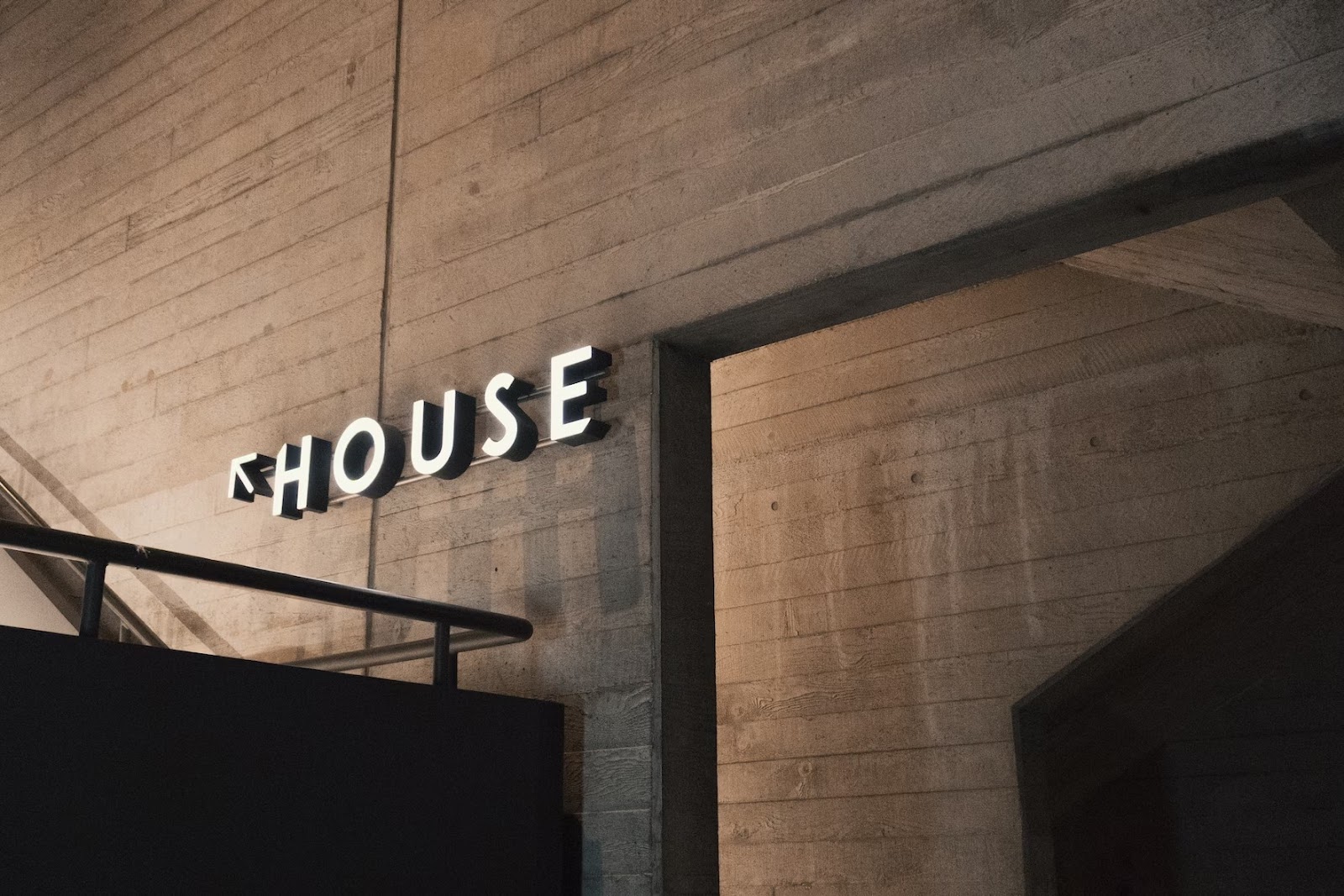
Your business' signage can affect your brand. Your signage is your customers' first interaction with your business! Whether that "sign" is your logo on your website, or the shingle hanging outside your brick and mortar shop, when your signage is poorly designed, you can send the wrong message to your customers, making them turn away from your business!
As a business owner, you need more than just an orange and black "for sale" sign that you bought at your local hardware store, or a hand-written neon green posterboard (I've used both, so I don't judge!). Signage conveys who you are as a brand. It makes a lasting impression on anyone who sees it!
Customers appreciate consistency. They want to receive the same quality products or services every time. And you might've not realized it, but your signage can be a way to promote your consistency.
How?
Think about McDonald's. Their iconic logo is always red and yellow. If you suddenly saw it in lime green and hot pink, you'd probably wonder what the heck was going on. Is this REALLY Mickey D's or am I in some counterfeit location?
A brand bible or a style guide can help you keep things uniform. Use the same format for all your marketing materials, from the font to the color and messaging. This way, your customers will know it's your brand the moment they see it. And you'll end up with increased loyalty and trust over time!
Your signage doesn't stop at your storefront. It also guides your customers when they're inside your store!
When you have well-placed interior signage, your customers know where to look, and where to go for what they need. Plus, they can also discover your promos and offers, which helps boost sales and customer satisfaction!
A friend and I went to dinner last week - or we tried to. Her co-workers told her about this yummy hot pot place we needed to try. We drove downtown and circled the block three times before we saw the shop. The signage was up higher than we expected and it wasn't illuminated. It's dark at dinner time in Indiana's winter months. We simply couldn't see what was right in front of our faces.
When it comes to signage, the location matters. You want your restroom sign to direct people to the restroom, not the kitchen - and you want it in a conspicuous location so that people can actually SEE the sign - instead of asking you over and over again where the restroom is.
So, make sure that your signage isn't only eye-catching, but it's also placed in an easy-to-spot location. This way, you can draw attention from people and increase foot traffic for your business (and fewer unnecessary requests from your customers)!
You can't deny that marketing will cost your business money, no matter which marketing channel you use.
However, did you know that signage can be your easy and cheap way to market your brand? Properly maintained, you can use signage for many years! It can attract customers, from young to new people, and expand your customer base for years to come.
If you're going for electrical outdoor signage, it's crucial that you find the right partner. There are sign professionals all over the world that can bring almost any sign you can imagine to life! In Arizona, you might head over to https://rayteklighting.com/ and consult with their team of experts.
Marketing your brand towards success can be a challenging task. After all, competitors keep popping up everywhere, grabbing the attention of your customers. However, using signage can make a positive impact on your business in the long-run.
Becoming self employed: the best decision for your career? It’s time to find out! Working for yourself is the dream for many. Set your own hours, decide your own salary, work where you want - the possibilities for more "freedom" in your life and work are pretty intoxicating to think about.
Owning your own business puts control into your hands, but it’s not all rainbows and unicorns. There are downsides to a self-employed future that you need to acknowledge: the ups and downs of income, rejection from potential clients, and watching the business go do someone else who's clearly not as good as you (it happens. BELIEVE ME!). Even when you’d love to do nothing more than quit your current job and register your own business, it’s worth it to apply the brakes and ask yourself some hard questions first.

A successful business needs to be profitable and sustainable. Said differently, it needs to make more money than it spends, and it needs to be something you can continue to do for a while. It needs to sustain itself without asking you to spend every moment of every day for the rest of your life working on it (even if that sounds like fun, it's not healthy!).
You need to be sure you’ve got a future in this work - and that it will sustain you in the lifestyle you want to live. Before you make the leap, consider this:
That sounds bad, right? And it can be, if something goes wrong. However, if you’re the only one liable, you’re the only one who needs to make a decision. Nothing and no one else comes into it, and your only consideration is what will be best for your career next.
For someone who’s tired of the daily grind, that’s probably the most attractive thing about working for yourself. It’s up to you, and even if you make a mistake, you’re still the only one who needs to weigh in. This actionable attitude is very healthy for your career.
Anyone who gets paid for doing a job makes their own money. But when you’re working for yourself, you get to decide your own salary. You price what you’re worth, you can charge for both service and time, and then you pay your own taxes on what you make.
This is a great level of control to have over your income. The reality, though is that it might take a while for the numbers to get to a point where you can live off of your business revenue entirely. And clients can say "no" to your rates... we saw a lot of that happening in the online world this year - did you see how many "Black Friday" offers there were priced under $100??? SO many!
So yes, you can name your wage, and you still have to do the work of attracting clients willing to pay it - and enough of them to keep you from going bankrupt.
Having the ability to choose which way to go, in your own time, is the greatest sense of freedom -and also a big responsibility.
If you're like many Fusion Creatives, it may feel like a ‘non-linear’ approach to your career, as Jonathan Martin, NFL, would say. He came out of the NFL and moved into the financial sector! Every choice moves you in a direction - either toward more of what you want or less. You can make as many decisions as you like to choose your own path, and there’s no ‘traditional’ career frame for you to have to follow.
On one hand, that's exciting - the world is your oyster! On the other, decision fatigue is real. You'll learn pretty quickly how exhausting it can be to be the one making all the decisions. But, you’re the one in charge and that means you've got to get good at making decisions (or hire someone that is!).
The more resources you have, the easier it is to stay in business. And PEOPLE (friends, networks, colleagues) are the best resource to have early in your business when money's tight and even BETTER when you're experiencing solid growth.
This might sound intimidating at first, but the more you network, the more confidence you’ll gain. You won’t have a problem with introducing yourself, or selling yourself in the space of 30 seconds, and it becomes easier to talk in public. You may never give a TEDx talk, but you'll be much more comfortable in front of an audience of your peers. This level of confidence is great for any job, but when the focus is on you, your business can reap the benefits.
Believe in yourself and your business idea. You need more passion and excitement for it than anyone else you know. Disney built his empire on a swamp because he believed so deeply in it coming to pass - even when others thought he was out of his gourd. If you don’t believe in you, why should anyone else?
Entrepreneurship is a challenge, and while it’s often a worthwhile one, you wouldn’t want to walk into it without doings some research and being aware of what it really takes to be successful. Job hunting may be challenging, but it's a heck of a lot easier than staring down the barrel of having to make payroll for multiple employees every couple of weeks. KNOW what you're getting yourself into - at least as well as you possibly can. Arm yourself with information, get help when you need it, and be willing to take the risks to be successful. That includes the biggest, riskiest endeavor of all: believing in yourself. If you've got the courage to do that, then entrepreneurship just might be good for you!

Credit: Pexels
Accidental entrepreneurship is more common than you might believe. So often, the creative entrepreneurs I talk with started their business out of a desire to move away from something else, and only after they'd seen some success "selling their stuff"... whether it was profitable or not.
Whether you want to create a clothing brand, become the next music sensation, or open a therapy school, in order to have a profitable, sustainable business doing what you love, you need to know how to build the business - in ways that work for how you're uniquely wired to work, as well as ways that work for your best customers. Most of the time those things are pretty similar, but not always identical.
Using this guide, you can understand the best ways to make your own business a hit.
So many creative entrepreneurs start businesses with little business knowledge, then they wonder why they are experiencing all kinds of issues. Trying to go it alone is a one-way ticket to stress, frustration, and a lot of trial and error.
One of the places I see most creatives trip up is worrying about the type of business to form. LLC? S-Corp? C-Corp? Sole proprietor? Non Profit?
While on some levels, this isn't nearly as important as, say, figuring out who your best buying audience is, it's still not something you want to try to do on your own. Even setting up a sole proprietorship, while easy, comes with risks that you should understand before committing to that type of business.
And if you want to start a non-profit here in the U.S., knowing how to start a 501(c)(3) is key if you want to avoid obstacles. Without the right support, you'll likely have a bundle of problems come tax time.
Don't be afraid to get piecemeal help if your budget doesn't allow you to keep professionals on retainer. Have an attorney review a contract, or hire an accountant or tax pro for an hour to explain the differences in start-up types. Arm yourself with enough clarity to help you make more confident business decisions.
To grow your business, new may be better, but WILD can be the best way to go. Out of the box approaches and innovators in the market face some uphill struggles in the beginning - Walt Disney built his playground in a swamp, for pity's sake! But once the idea takes hold, you'll be miles ahead of what any competitor could do to play catch up.
Being an entrepreneur requires a willingness to take risks anyway, so why not go after what you REALLY want to be doing? Your quirky thought could turn into something big and wonderful. You might manage to build an incredible business from a "silly", yet effective, idea! Be that brave person and start doing what feels right. Honor what you feel called to do with this one precious life of yours!
Some folks can create massive empires from a humble kitchen table start. But wherever you start, it needs to be a place that empowers you. Having a comfortable and functional workspace will help you stay focused. Filling that space with inspiration, motivation, and encouragement will keep you going even when things get hard - and they WILL get hard! That's business!
Your environment at home, at work, and even the folks you associate with all matter. Jim Rohn once said you're the average of the 5 people you hang around most. I don't entirely agree with that notion, but I do believe that you're a product of whatever nourishes you. If you're feeding your mind, body, and spirit things that empower, energize, and lift you up, you'll be farther ahead than folks who are stuck in demotivating and uninspiring situations.
If it's not feeding you, it's not helping you. Nourish your mind and spirit as much as you can. Create a "sanctuary" for your work, and do everything in your power to keep that space sacred to sustain you.
Bootstrapping isn't a badge of honor. Trust me, I've lived that lifestyle and it's stressful. Being "self made" is a myth anyway. Yes, watch your pennies, and be mindful of what's coming in and going out. Debt is a tool that's more like a scalpel than a hammer: it can cut you if you're not careful or knowledgeable in its use.
Oprah once told Queen Latifah to "always sign the checks" - meaning, if you're putting your name on the checks, you'll always know where the money is going, and be able to spot things that are amiss before they become a problem. But minding your pennies is only half the equation.
Sometimes wonderful, miraculous things DO happen - and we need to be open and willing to receive them. Yeah. I know that sounds a bit woo-woo for my tastes, too, but it's true. You just never know when that next client will pop in, or a new offer will arrive - out of the blue - to provide the financial blessing you've been looking for. Like that first point - sometimes just getting the right help at the right moment can be a godsend!
It may seem obvious, but Fusion Creatives are notorious for trying to do everything themselves and save the world in the process. Asking for help is our growing edge. Chaotic Creatives are good at the "trust the process" part, but often struggle with the "sign the checks" part. And Linear Creatives have the opposite strength.
Everyone can use a little help from time to time. Be willing to ask for and receive it. Create an environment that allows you to thrive as a creative entrepreneur and put your wild ideas to the test. Then, keep your eyes on the finances, and trust the process. You're doing the hard work, you're sharing your brilliance with your right audience. It's only a matter of time before success is yours!

The digital world continues to expand - particularly for business. The proliferation of new AI tools and other tech-related wizardry means a lot of new opportunities even as old-school methods start to fade.
I'm not going to debate the pros and cons of AI in the creative world here. Instead, I'm going to be the harbinger of doom in another way: cybersecurity. I know, it's not a sexy topic. It's pretty much soething no one wants to talk about - until something happens.
Research reveals that the US has already lost a whopping $10 billion to cybercrime. Although some breaches seem inevitable (if someone REALLY wants in, they'll probably find a way), you can actually protect yourself proactively with just a few smart moves - most of which aren't terribly expensive. Here are a few recommendations:
It seems like a small thing, but most attacks and hacks can be prevented if you keep your antivirus software up to date. I've used MalwareBytes for over a decade now because it catches things before they become a threat.
It’s more than just a security measure. Think of it as an essential step that keeps you poised to repel any cyber attackers attempting to breach your "digital fortress". With antivirus software, you’re not just safeguarding your business, but giving it the strength and resilience to navigate the vast digital landscape with confidence.
When our website went down in 2022, I was grateful that my host kept backups. But when our site ended up with malware that corrupted the backups, I was screwed. I hadn't kept a clean copy of the site for myself. I ended up going through tons of old content on the Internet Archive and re-posting content that had been corrupted. That's when I upgraded to monitored hosting so that I wouldn't need to worry about backups ever again.
Safeguarding your company’s data is a must to fend off the potential havoc of a cyberattack. Creating an uncorrupted backup (and updating it regularly) is your ace in the hole, shielding against the nightmare of stolen, lost, or corrupted data. Whether you're backing up to an external drive or the cloud (or both!), the golden rule for a fail-safe backup is to store those copies in a different place. This way, you’re not putting all your eggs in one digital basket. Establishing a robust backup plan is a smart move to ensure your data stays safe and your operations keep running uninterrupted.
As your business grows, it’s crucial to bring in professionals. Online threats are ever-evolving, and tackling them requires a specialized skill set and constant vigilance. Professional cybersecurity experts not only understand the latest trends in cyber threats but also possess the expertise to implement robust defense strategies. Hiring the right IT support is important, yet it can be pricy to just hire an on-call IT guy for your tech support needs. Outsourcing to Managed IT services like CMIT Solutions is a cost-effective way to fortify your digital defenses. With managed IT, someone else is monitoring the threats so that you don't have to!
When I bought my first domain name, I actually bought two. I was known back then as "Lisa M. Robbin" - long before my first marriage, I had a place in cyberspace. But it was common for folks to mis-spell my last name. So, I picked up lisamrobbin.com as well as lisamrobin.com
This step is arguably one of the smartest, cheapest ways to protect your business online. When someone else owns domains that are similar to your business, they can do ANYTHING they want with it - including drive traffic to a site that makes people THINK it's yours! Securing your digital turf by grabbing similar web domains is a savvy move to lower the risk of your customers, suppliers, or team falling for tricky links or emails from spoofed addresses. For a small business, purchasing similar domains can be a terrific investment in keeping your online space safe and sound. Plus, you know, people mis-spell things all the time. Make it easy for them to find YOU!
As your business grows, you can’t afford to overlook your cybersecurity. It’s crucial to safeguarding your data and preventing breaches. Applying these tips can help improve your cybersecurity, giving you the peace of mind to attend to other aspects of your business.
Live events can be challenging to launch, but they offer a ton of benefits. I've been hosting in-person events for years now. There's nothing more powerful to bring your audience together. It can also help you reach new people. And it’s almost always a proud moment for you to showcase what you’ve been working on with the people who need it most.
Whether you're launching a pop-up store, selling your new line of fashion accessories, or a meet and greet with your fans, or simply running a booth at a local trade show to put yourself out there and network with your local commercial sector, events can be very lucrative... when they're done well.
Done poorly? They can COST you big time - in more than just financial ways!
Here are a few things to consider before hosting your first big event:
It may sound obvious, but defining the full purpose of your event is the first step to success. Now, we’re not assuming you’d just run an event without even knowing why, but it’s very easy for a first milestone event to be so exciting that you try to spin every single plate and end up with too much on each one.
For this reason, being clear about a few basic objectives will be helpful. Perhaps you’re inviting some fashion bloggers and can admit members of the public to a small fashion show including a designer launch of your new product. There, you can plan a good three-hour event with an hour-long show, a meet and greet, and perhaps a book signing or question and answer session.
This way, you’ve planned your event to be as neat and streamlined as possible, packed with content, and will impose on your audience’s time as little as possible. That really does make a difference.
It’s important to budget and financially plan your event well. Look to the necessary expenses first, such as venue hire, security, bringing along a few staff in extra hours which may count as overtime, if you’ll have any catering or drinks on hand (and of course, the permits necessary to give this out, in some cases you’ll have to hire an event refreshments service), not to mention the logistics for bringing your products to the event space.
Certain niceties may be worthwhile to have but can be optional. For example, a professional photographer to cover the event can be great, as can a videographer who will help you learn more about your robust coverage options, even using drones for wider establishing shots you can use on your website.
Be diligent and strict with your financial planning, negotiate agreements, and have an extraneous budget you can use in the case of emergencies. Finally, insure the event to make certain you can pay for damages in the event of an emergency or unexpected outcome. It will protect your firm diligently.
An event planning timeline allows you to put the pieces together in order, correctly, and with plenty of time to spare. So for example, it’s hard to make other plans when you don’t know the dimensions of the venue you hope to hire, so that should be first on the agenda.
When you find it, you know the space you have to work with, the seating capacity for tickets or walk-ins, and how much security you might need to hire. You can also then plan how individuals will walk around your event space, and how much time, on average, they’ll spend at each display or attraction.
Giving yourself a period of months to put your event together will ensure you can book all the services you need, and potential backups, much earlier than you may have anticipated.
Marketing the event should take place well in advance. With the right preparation and notice to work with, you’ll be able to hype up the event, get smaller influencers or businesses in your local area on board, or simply put together visual materials to showcase what to expect.
That might involve showing sneak previews on your social media feed of the product you’ll be launching. An event page on your website can consolidate all of this marketing into an easy information resource, so those who become interested will see the explicit information and may be able to book a place or arrange their accommodation and parking in advance if traveling to see it.
You can also include your attendees in future marketing, as taking photographs of the speakers and guests and then having release forms signed from those in the image can make a massive and positive difference going forward.
Of course, it’s always pleasant to have speakers, presenters or those you believe could contribute to your event in a meaningful way. That might even involve hiring specific actors or demonstrators to show your product to the audience, or to split up your event into several rooms where attendees can walk through and see different exhibits.
You could even invite specialists in your industry to speak, or perhaps host a few talks based on your experience in the industry and the passion behind your brand. You may need to pay for guest speakers of course, but it’s a great method of connecting with experts in your field and local movers and shakers - also counting yourself among them. As such, it can be a great investment and also a fantastic justification for unveiling more content on your YouTube channel. As such, never have any shame in putting yourself out there like this, the worst your chosen speakers could say is no.
With this advice, you’re sure to implement effective methods of running your first business or influencer event. No matter what event you run, you’ll have perfected the foundations, and as you continue to do this, more wisdom and insight will grow.

No business is an island. Yes, this may be your big idea, and the thing that you’ve put your time, energy, and life savings into, but failing to build a strong team of support could stop you from getting where you want to go. After a business has seen a few healthy years, invariably balls start getting dropped. My friend and former client, Les McKeown calls this "Whitewater". Much like the real rapids of rafting, a business in Whitewater has gotten more complex and it's difficult to navigate on your own.
Who are you going to let onto your business 'boat'? Before (or just as) you’re experiencing those inevitable highs and lows, you're going to need the right people on board. People who will take your business from strength to strength, and who you will hopefully enjoy the journey with most. And it's not just your internal team. Take a look:
You need the team that’s best for your business, not the people who you would have a great time with on a Friday night. Whether you're using temporary, contract help or employing a full-time staff, your crew needs to not only understand your vision, but also be aligned with what you want your company to be doing in the world.
A like-minded team of passionate individuals who share your vision and can help you create the right company culture to get things done. Experience and skill sets count, but think too about how impassioned your interviewees seem, and how well they convey their vision for helping you move into the future. These folks need to augment your existing support team - or you need to NOT employ them.
You may be very adept at your craft, but, if you're like most creative entrepreneurs on the more Chaotic end of the spectrum, you're probably not nearly as experienced in the business side of things. And vice versa: Linears tend to struggle with the experiential side of business building.
To overcome that knowledge gap, you may need to enlist trusted experts from time to time. If you're not great with tech, you may need to hire a professional to get your network up and running. If you're looking to attract investors, you might want to talk with a private equity consultant like those at IT Ally. Experienced experts cut the learning curve and help ensure that you're maximizing your results from the beginning.
While it's true that you have competitors, not everyone is out to get you. In my experience, a focus on collaboration over competition with your industry colleagues can actually be a big benefit. Industry connections provide you with inspiration, potential clients, and collaborators. Whether you achieve this thanks to knowledge from your expert helpers, or get into networking and events, a supportive community within your industry helps you learn best practices, learn from others in your field, and develop stronger bonds with folks who understand the journey you're on.
Choosing the right support team for your company takes time and patience. But you'll be more likely to survive even the extreme challenges of those first years of whitewater when you do.
The path to success demands more than just a vision; it requires a strategic foundation that's as rock-solid as your determination. Whether you're a seasoned entrepreneur or nurturing the seeds of a budding startup, understanding the pivotal elements that will fuel your journey is paramount. From mastering the intricacies of financing to curating the perfect environment and assembling an unwavering support system, the initial steps on the road to sustainable growth require thoughtful consideration. Here's five mostly obvious, but maybe surprising, elements that set the stage for a thriving and prosperous business venture.
Expansions cost money, and while the ultimate aim is to make more profits, you need some financial cushion to make growth possible. You need to be OK with investing money and not seeing a return immediately. So you can't just pull that money out of the business if it's already allocated for something else!
If you haven't been saving up for growth, you'll have to source financing for your expansion externally: from a bank or private investor(s). One of the major downsides of doing this is that the process of getting an investment can be lengthy and complicated. You have to convince an outside body of the validity and profitability of your business, and possibly share the profits, too.
If growth is on your mind, you'll need to think about where the money for expansion is coming from!
Expansion without a plan can be chaotic and often fails. That is why it's crucially important that you have a clear plan for your business expansion. This document should include your goals, financial projections, values, and an assessment of the risks involved.
It's also a smart idea to create a timeline for when you expect each stage of your expansion to occur. That will help you and your team split all the tasks you will need to do down into sections, as well as keep you on task through the expansion process.
You know what they say: location, location, location!
If you're a solopreneur, this may be a home office, but even still, you need enough room to get work done. I've known micro business owners who had to expand into their garage or basement to have enough room for the work they were doing - and the supplies they needed to do that work.
Larger organizations may need room for more employees, larger operations, or even additional stock or manufacturing capability. Moving your business from one location to another, especially if it's a cross-country move, can be a real challenge.
The good news is that working with companies like Allied - that specialize in cross-country moves - can make all the difference. Don't trust a move to local yokels. Been there. Done that. When we moved from Mississippi back to Nashville, we ended up with more broken lamps and furniture than I could count. When we moved from Nashville up to Indiana, we hired pros to do the loading and unloading. Don't leave your livelihood to chance!
In addition to new premises, you’re also going to need to employ more people as you expand your business. It's important to strike a balance here between filling the vacancies that you have and not rushing the recruiting process. Slow to hire and quick to fire is the mantra of the work world. Whether you're working with occasional contractors or building our your full-time team, choose folks who are not only well qualified for their roles, but who are a good match for their teams and the overall values of your business. Hire for culture improvement, not just culture fit.
Last of all, when growing your business you are going to need patience - and lots of it. Yes, even though it can be tempting to seize every opportunity that comes your way, expanding too fast can ultimately destabilize your company, and lead to failure later down the line. With that in mind, it's best to expand at a sustainable rate and ensure that you can properly support any growth at every stage. That's why a plan is important. It helps you see the milestones and keep you on track.
But a lot can go off the rails between milestones. Projects can run overtime, or over budget. In the military, they say, "no plan survives first contact with the enemy" - things happen. You can't plan for every eventuality, but you can have patience and SPACE in your plan to accommodate the things that could go off the rails.
If you're ready to build a growth plan that works for how you're wired to work, book a Star Power Intensive and let's strategize what sustainable growth looks like for you!

Whether your business is online or off, you're going to likely be interacting with people. Gasp! I know! PEOPLE!!
Bluntly, first impressions still matter. They're often awkward, inaccurate, and problematic, but they still matter. As a business owner, your ability to create a favorable initial encounter can impact your company's growth and reputation. Honestly, the number of times I've been pitched a cold email with typos, inaccuracies, and other language issues makes me wonder if that person really wants to do business with me. Recently, I had another business owner call me NICK in his cold email. My name is nowhere CLOSE to Nick! You really have to TRY to misspell Lisa to get Nick... the letters aren't even close together on the keyboard!
Positive first impressions are all about improving your visibility - a good first impression means a positive memory in your collaborator's mind when they walk away. As relationships develop, a person steps back into a conversation from whatever "frame" they left it. So if your first interaction is positive, they come to the second interaction with a positive impression and feeling... setting you up to have another positive interaction and perpetuate that cycle of awesomeness.
If you start off on the wrong foot, it's so challenging to get back on the right one.
Many business owners don't realize how the "little things" can make a big impression. Companies like EverLine Coatings and Services stripe parking lots (among other things), which may not seem like a big deal - until you drive up to a store front that hasn't had the lot painted in decades and you're not even sure if the joint is still open anymore! Having fresh, crisp lines on your lot gives it that "new car smell" so to speak. That clean, fresh look can make a BIG first impression.
Now, there’s a lot more that goes into first impressions than just aesthetics - way more. Here are a few additional ideas to help you make a great first impression with your business.
Yeah, I know it's "aesthetics", but it counts! Your attire speaks volumes about your brand. Dressing appropriately for your industry and the occasion is essential. This doesn’t immediately mean that you have to wear a suit if suits just aren’t your thing. If your business is in the tech industry, it doesn’t immediately mean that you need to wear jeans and a muted jacket. Steve Jobs gave up suits in favor of jeans and a mock turtleneck. That was his wardrobe, his "brand identity" in clothing form.
What it means is to dress as if you (and your business) easily fit into the industry. If you’re into business casual, then just wear that. If there are meetings where people are in suits, then dress for that occasion.
It helps to dress the part, but you don’t always need to dress the part every day, either. If you work from home and you don’t do video calls, why dress like you’re heading for the office? It’s just something to consider when it comes to first impressions.
Have any meetings? Do you have a storefront that opens at a certain time? Does your website promise to deliver something within a certain period of time? All of these things definitely need to be taken into consideration. Being punctual is more than showing up late to a meeting.
Being punctual shows that you respect the other person's time and that you’re reliable. Plus, it shows how committed you are to the engagement. So, always keep this in mind because being late and keeping someone waiting can really leave a sour taste in someone’s mouth (even if it’s justified why you’re late).
So, while this sounds vague, it means improvement in all forms of your business, with yourself included. You should be striving to regulary improve your website, your storefront, your products, how you market on social media, your email marketing, how you pitch, etc. Improvement never ends, so you need to be mindful of your capacity for change and upgrades at any given point in time.
Like I said earlier, first impressions can be wonky when you're new and just learning. But with time, you'll improve your ability to show up as the best version of you and your brand in every company interaction. It makes a big difference - especially when big money is on the line.
In Heart-Centered Business: Healing from toxic business culture so your small business can thrive, Sufi spiritual business teacher Mark Silver, M.Div. speaks to those who hate the toxic way business has developed, and want an approach to business that is as nourishing as it is powerful.
The effects of global business have brought devastation and injustice that no one wants. Instead, we yearn for beauty and real vibrancy in the world around us, and healthy heart-centered business must be part of the healing.
This book is a guide to doing business, your business, in a truly spirit-centered way. We need to, and can, realize the truth that, as Mark says, every act of business can be an act of love.
Rising Tide community members can login and access your free downloads here.
Not a member yet? It's free! When you register for the Rising Tide, you also get email updates, the FREE learning library, and access to episode transcripts, worksheets, and more!
Special thanks to our Patrons for your continued support.
Theme music: “Big Time” by Ikoliks, Artlist.io
If you want your business to succeed, you must do a good job at keeping your workforce motivated. But what does that entail? What does it really take for the people in and serving your organization to stay motivated for the benefit of the company?
First, you have to realize that it's never about the company. Any team member is always going to put their own interests first. That's human nature. And if you create an environment that helps them believe that their interests are met, motivation rises.
Here are a few things to consider in your own company:
What makes a good leader? It's more than results. I mean, that matters, sure, but there's so much more to leadership than that. It's actually about getting great results while forging stronger relationships with your employees. Ensuring that they feel safe and respected in their work, allowing them to be as productive as possible. Simon Sinek's TED talk explains further.
Safety is the foundational requirement for anyone to be able to take courageous actions. If you don't feel safe, you do the bare minimum because you're focused on your safety needs being met. That makes logical sense. Good leaders, create not just a sense of safety, but an Environment of Empowerment for their teams to thrive in.
"Events" can take on a number of appearances. These don't have to be big corporate gatherings a la Apple's World Wide Developer Conference or a National Conference if you're in direct sales - but it can. It can also be a more intimate appreciation event.
Identifying and praising those that have done well, providing them with additional bonuses such as weekends away, spa days, and electronics can inspire and motivate folks for months or years to come. I knew a woman who had an ambitious sales goal for her first year on the job. When she met that goal, she was rewarded with a 7-day cruise!
Consistency awards are also a powerful motivator. Not everyone can be tops in sales or lead their department, but the folks who are showing up and consistently contributing are just as important. Celebrating everyone in the team by providing them with good food and a positive atmosphere at the event is also a good idea. You may even wish to consider working with one or two executive speakers for your event. Bringing in a celebrity or someone well known from outside the organization can make a big impact on team morale. I've been hired to come into national conferences, local sales meetings, and even leadership training events to help educate and motivate a company's teams to greater success.
It's important to give your workforce appropriate levels of responsibility that they can "rise up" to. Challenges that stretch (but do not break) your team help them feel more confident in their own abilities.
Foster a culture of delegation throughout your organization. Make it clear to your employees that you expect them to rise to the occasion when they are given additional responsibility, and make it meaningful by getting them to record it and use it in their next review. This isn't an invitation to pass the buck. It's an invitation to growth and to instill a greater sense of trust and community in the organization.
Everyone wants to know that they are doing well at their job. Knowing we are making a positive difference is a motivating factor for most people. We want to feel like we belong and contributing in meaningful ways. Reward in public, admonish in private. Remember that safety matters. No amount of feedback will help if your team doesn't trust you or feel safe receiving feedback from you. Even positive feedback doesn't make a positive impact if your team doesn't trust you.
Starting a new business venture of any kind is sometimes terrifying, often exciting, and involves a lot of other emotions along the way. It’s not for the faint-hearted and it’s certainly not something that everyone can do successfully.
While starting a business might be the easier part, making it a successful one is a whole different ball game. Drawing attention to your business is key, but increasing your visibility often stumps seasoned business owners, not to mention newbies.
How do you get noticed with so much noise from other competitors?
Here are some tricks and tips that will help draw the right kind of attention to your business.

If you’re someone who has never done event work before, you might consider a vendor event or industry convention. When they're targeted to the right audience, they can help you attract a number of clients quickly. I've done events where I've booked 10-20 new clients in a single afternoon.
If you want more visibility, think vertical. You'll want something eye-catching to dress your booth. You might invest in an 8x8 banner for your next event and other eye-catching decor to dress your stand. Remember, there will be a multitude of businesses all there for the same purpose of getting attention. If your booth doesn't stand out from the crowd (or can't be seen across the convention room floor), it will be difficult to get traffic to stick around at your station.
One of my favorite and inexpensive ways to do this is with some helium balloons. Tie them to the top of your booth so that people can see you from a distance. Then, you can just say "look for the balloons" and direct people to your booth from anywhere in the venue.
The online world may be messy, but social media is also a huge part of making most online businesses successful. For a new business, it's free advertising that will help build your credibility in the marketplace when done right.
A multi-channel approach can help you find more of your right audience in a cost-effective manner. Don't spread yourself too thin, though. It's important to be where your people are, but not at the sake of your health and budget.
Be sure to network with other business owners when it comes to your business venture. There are a lot of companies out there, all starting out and all needing to make their own moves within the industry to garner success.
Some businesses might be able to help you get your foot in the door with certain clients or collaborations that will rocket your business to success.
Networking is something that needs to be done on a regular basis. If you’re not connecting with people that can support you or your business, then it's going to be a long, hard, and lonely road ahead.
Even if it's just a "brochure" site, your website is your brand’s image in a digital capacity. That means when prospective leads or customers head to your site, the website is the first thing that they’ll see. Think about what you want your customers or prospective leads to learn when they come onto the site. If you're in e-commerce, think about how clients use the site. Is it easy for them to navigate? Your digital "front door" should help people feel like they belong and that you're open for business!
The online world remains one of the most powerful tools that you can use for your business venture. If you’re struggling to find ways to help add exposure to your business, then consider listing it on any websites that people will look at actively.
You could also reach out to higher-ranking websites to get some free advertising or link exchanges to help get your business noticed across the internet.
Finally, don’t be afraid to partner with other businesses. There will be plenty of businesses out there that are actively looking for other companies to partner up with. It saves money for both parties and can help reach audiences, whether those be similar audiences for both or completely different.
Drawing attention to your new business venture is a great way to help it get the notice it needs and more importantly, to drive sales and success.